How is robotics changing the way we manage surgical infections? Join us on April 21st at 3 PM EST as we explore the latest robotic techniques for treating three vexing pathologies: esophageal perforation, the difficult cholecystectomy, and perforated ulcers. Our panel of experts will share their insights on surgical techniques and management in the robotic era.
Agenda
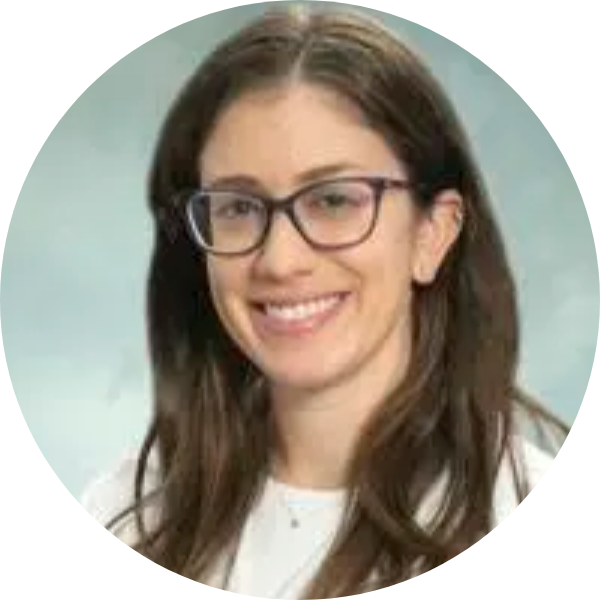
Opening Remarks & Introduction Dr. Julia Coleman
From the Chest into the Abdomen: Robotic Management of Esophageal Perforation Dr. Sany Thomas
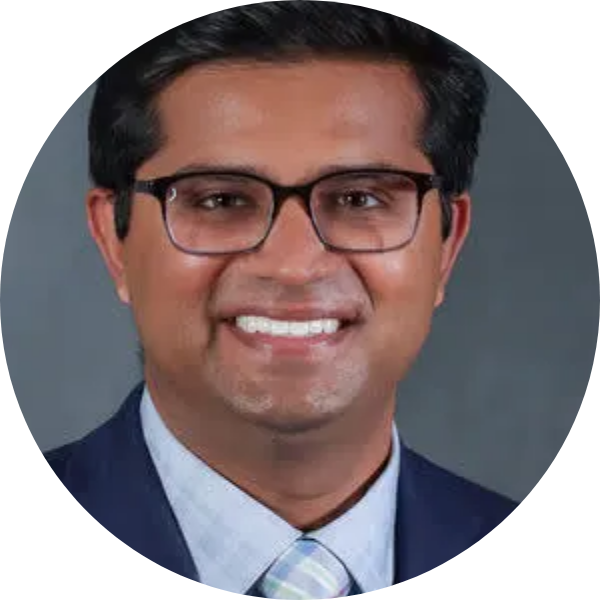
Navigating Esophageal Perforation: Surgical Insights Dr. Husayn A. Ladhani
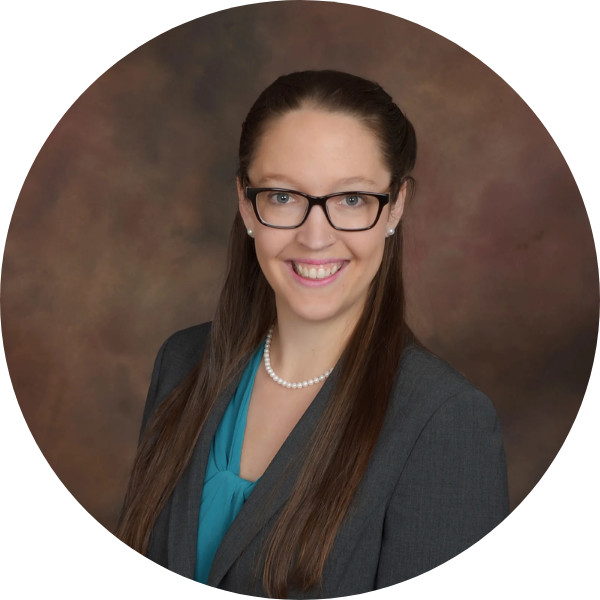
Robotic Management of Perforated Ulcers in Acute Care Surgery Dr. Alexi Bloom
https://sisna.org/wp-content/uploads/2026/03/The-Emerging-Role-of-Robotics-in-the-Management-of-Surgical-Infections-1.png6301200Nick Evangelistahttps://sisna.org/wp-content/uploads/2024/09/sm-cropped-SIS-1-300x300-1.pngNick Evangelista2026-03-12 19:43:502026-03-17 19:37:42The Emerging Role of Robotics in the Management of Surgical Infections
Tuesday, October 28, 2025 (11:00 AM – 12:00 PM) (EDT)
Join Windy Cole, DPM, CWSP, FFPM RCPS, Director of Wound Care Research at Kent State University College of Podiatric Medicine, and SIS President-Elect Lillian Kao, MD, MS, MBA, FSIS, for a comprehensive discussion on antimicrobial resistance (AMR) and why it is reshaping the way clinicians approach wound care. As resistant infections make treatment more complex, antimicrobial stewardship (AMS) has become essential. This webinar highlights how applying AMS principles to wound management can help clinicians protect antibiotic effectiveness, improve infection control, and support better healing outcomes.
Key objectives include:
Introducing the growing challenge of AMR and its impact on patient outcomes
Reviewing best practices in wound management, including biofilm management and infection prevention
Discussing the appropriate use of antibiotic therapy and the risks of overuse
Examining topical antimicrobial therapies, including advanced dressing technologies
Presenting the essential elements of an AMS program designed to balance infection control with preservation of antibiotic efficacy
Participants will gain practical insights into how to integrate AMS principles into wound care protocols, reduce reliance on systemic antibiotics, and apply advanced dressing technologies from Leukomed® Sorbact®, Cutimed® Sorbact® and Hydrofera Blue® to help improve patient outcomes.of how pharmacy collaboration can improve patient outcomes and optimize care in the most critical settings.
Speakers
Windy Cole, DPM, CWSP, FFPM RCPS
Director of Would Care Research
Kent State University College of Podiatric Medicine
Lillian Kao, MD, MS, MBA, FSIS
Professor and Chief | McGovern Medical School at UTHealth Houston
President-Elect | Surgical Infection Society
https://sisna.org/wp-content/uploads/2025/10/Best-Practices-for-Antimicrobial-Stewardship-in-Wound-Management.png6301200Nick Evangelistahttps://sisna.org/wp-content/uploads/2024/09/sm-cropped-SIS-1-300x300-1.pngNick Evangelista2025-10-08 00:14:282026-03-17 19:37:30Best Practices for Antimicrobial Stewardship in Wound Management
This webinar is designed to bridge the knowledge gap for surgeons regarding the critical role of pharmaceutical expertise in the Intensive Care Unit (ICU) and the management of multidrug-resistant (MDR) infections. We will address key practice and patient care problems by helping participants to:
Recognize and utilize available hospital resources that aid in antibiotic stewardship.
Understand the limitations of standard protocols
Determine which patients would benefit most from consultation with an ICU or infectious disease (ID) pharmacy team to guide their therapeutic plan.
Join us to enhance your understanding of how pharmacy collaboration can improve patient outcomes and optimize care in the most critical settings.
Panelists
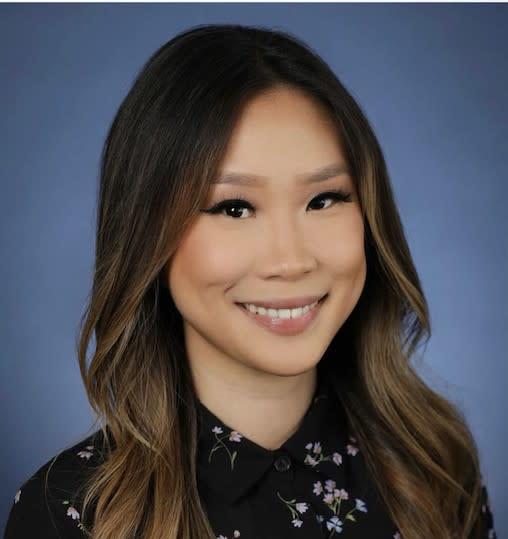
Cindy Kang, PharmD | SICU Pharmacist
Wilma Chan Highland Hospital | Level 1 Trauma Center | Oakland, CA
Cindy Kang is a clinical pharmacist specialist in the Trauma and Surgical services at Highland Hospital in Oakland, CA. She is from Honolulu, HI and received her Doctorate of Pharmacy degree from the University of Washington in Seattle. She completed her PGY-1 Pharmacy Residency at Santa Clara Valley Medical Center and PGY-2 Cardiology Pharmacy Residency at UC Davis Medical Center. Her interests include being a part of the Pain & Addiction Committee and integrated in the UCSF East Bay General Surgery Residency education and didactic curriculum.
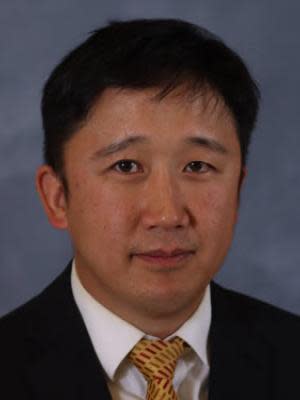
Eugene Liu, MD
Loma Linda University
Dr. Eugene W. Liu is an Assistant Professor of Medicine in the Division of Infectious Diseases at Loma Linda University School of Medicine and serves as the co-director for Clinical Epidemiology and Infection Control at Loma Linda University Health. He holds an M.D. from Case Western Reserve University (2008). He completed his infectious disease fellowship at the National Institutes of Health and applied epidemiology followship as an Epidemic Intelligence Service Officer at the Centers for Disease Control and Prevention. He is board-certified in Infectious Disease. His research interests include understanding the emergence of drug-resistant bacteria.
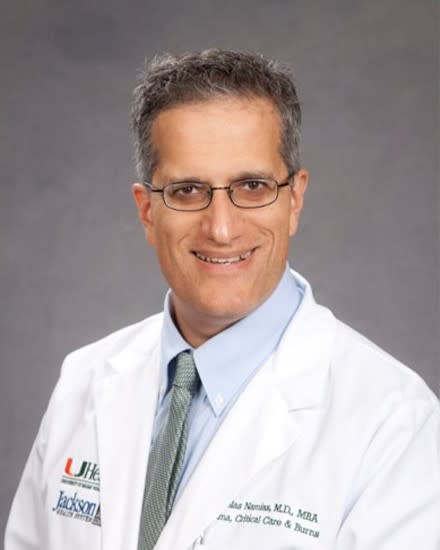
Nicholas Namias, MD
DeWitt Daughtry Family Department of Surgery
Nicholas Namias received his medical degree from Robert Wood Johnson Medical School, University of Medicine and Dentistry of New Jersey in Piscataway, New Jersey. He completed his General Surgery training at the University of Miami Jackson Memorial Hospital and stayed on for fellowships in surgical critical care and trauma at Jackson Memorial Hospital’s Ryder Trauma Center. After a short stint as an Assistant Professor of Surgery at Emory University, he was recruited here to the University of Miami Miller School of Medicine in 1998 as an Assistant Professor of Surgery and Co-Director of the UM/JM Burn Center. Moving through the ranks, Nick became the Chief of Burns in 2004 and was appointed Chief of Trauma in 2010. Dr. Namias is the holder of the Robert Zeppa Chair in Surgery and is an MBA graduate of the University of Miami. He is also the Director of the Ryder Trauma Center and holds a secondary appointment as Professor of Anesthesiology at the Miller School of Medicine.
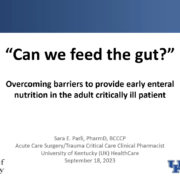
Sara Parli, PharmD, BCCCP
University of Kentucky
Dr. Parli graduated from the University of Kentucky College of Pharmacy, earning her Doctor of Pharmacy degree. She completed her PGY1 pharmacy residency in Savannah, Ga at Memorial University Medical Center before returning to UK HealthCare to complete her PGY2 Critical Care pharmacy residency. Dr. Parli is active in clinical practice as a surgical critical care pharmacist on the Trauma and Emergency General Surgery service at UK HealthCare. She serves on several enterprise and department committees including Antimicrobial P&T Subcommittee, vaccine task force, and Committee for Pharmacy Community. Dr. Parli is engaged in the education of pharmacy students, pharmacy residents, as well as general surgery residents and surgical critical care fellows. Her current clinical research interests include surgical infectious diseases, infections and nutrition support, and VTE prophylaxis in obese trauma patients.
Moderator
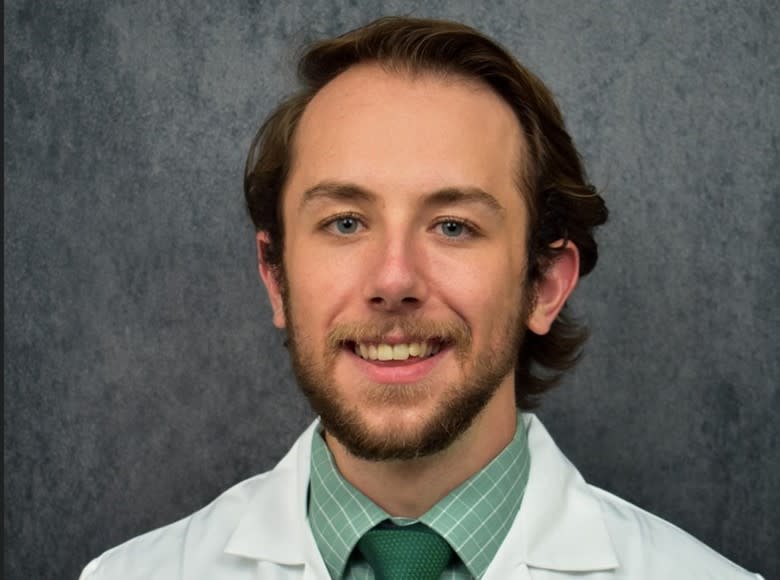
Michael Cobler-Lichter, MD
University of Miami/Jackson Memorial Hospital
Dr. Michael Cobler-Lichter grew up in Buffalo, New York, and earned his undergraduate degree in Biochemistry with a concentration in Bioinformatics from Boston College. Before medical school he worked at a health-tech startup, applying AI/ML and natural language processing to develop automated risk-adjustment solutions. He received his MD from the Jacobs School of Medicine and Biomedical Sciences at the University at Buffalo and matched into General Surgery at the University of Miami/Jackson Memorial Hospital. Dr. Cobler-Lichter is currently a PGY-5/R3 general surgery resident, having completed a two-year research fellowship under Dr. Kenneth Proctor at the Ryder Trauma Center, during which he also earned a master’s degree in Data Science. His academic interests center on integrating advanced statistical methods and machine learning into surgical research to improve outcomes and build robust clinical decision-support tools. He will be applying to fellowships in Trauma and Surgical Critical Care.
https://sisna.org/wp-content/uploads/2025/09/Navigating-the-ICU-Essential-Pharmacy-Knowledge-for-Surgeons-1.png6301200Nick Evangelistahttps://sisna.org/wp-content/uploads/2024/09/sm-cropped-SIS-1-300x300-1.pngNick Evangelista2025-09-15 01:14:402026-03-17 19:36:52Navigating the ICU: Essential Pharmacy Knowledge for Surgeons
https://sisna.org/wp-content/uploads/2024/09/APIC-SIS-Webinar-Can-We-Feed-The-Gut.png8281438SIS Adminhttps://sisna.org/wp-content/uploads/2024/09/sm-cropped-SIS-1-300x300-1.pngSIS Admin2023-09-18 16:55:212026-03-17 19:32:31APIC & SIS Webinar: Can We Feed The Gut
https://sisna.org/wp-content/uploads/2024/09/APIC_and_SIS_Webinar_The_Open_Abdomen_A_Clinical_Review_and_The_role_of_VACs_Antibiotics_and_Inflammation_in_the_pathophysiology_of_an_open_abdomen.png14382568SIS Adminhttps://sisna.org/wp-content/uploads/2024/09/sm-cropped-SIS-1-300x300-1.pngSIS Admin2022-07-14 18:29:002024-09-15 18:30:16APIC & SIS Webinar: The Open Abdomen: A Clinical Review & The role of VACs, Antibiotics and Inflammation in the pathophysiology of an open abdomen